
First-Time Visitors’ Guide to Kauai
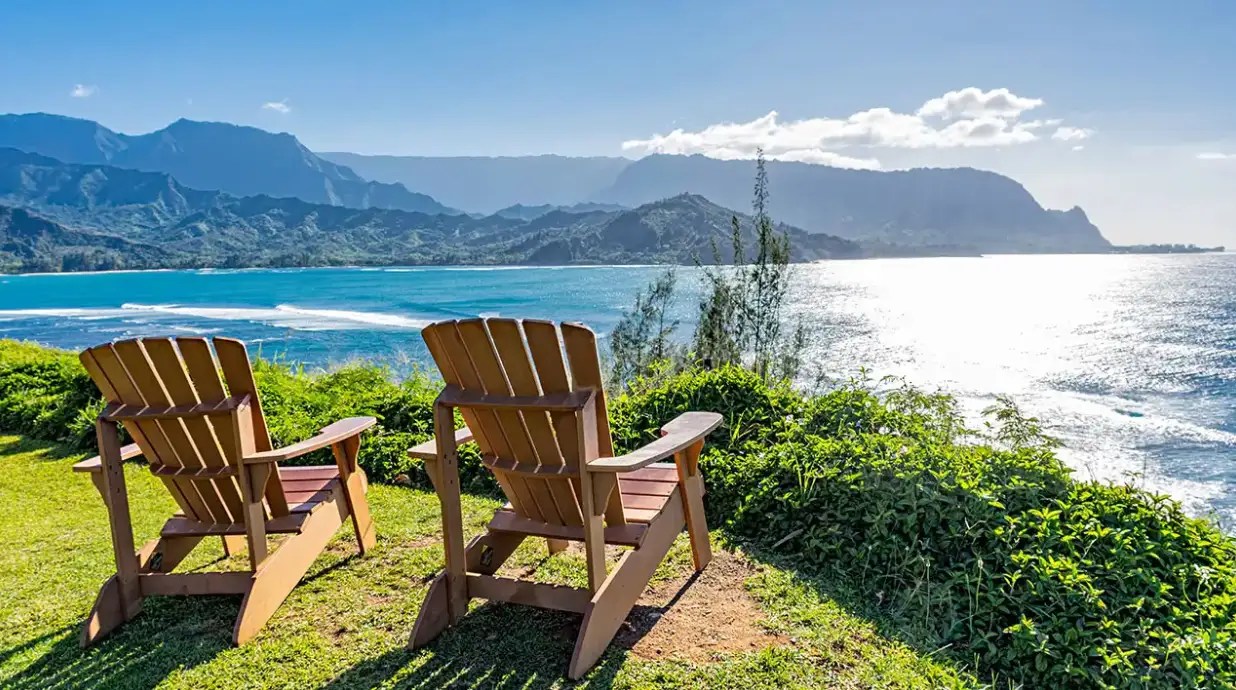
Kauai is not the kind of island you should over-plan by the hour. It is slower, greener, more rugged, and more weather-dependent than many first-time visitors expect. The best trips leave room for early mornings, changing ocean conditions, short drives that take longer than expected, and a few decisions made after looking at the sky.
That said, Kauai is also much easier to enjoy when you understand the island before you arrive. The roads do not loop all the way around. The North Shore, East Side, South Shore, and West Side each have a different feel. A perfect Day for the west side is going our tour in the AM and then enjoying lunch in Waimea town, then going up to the see Waimea Canyon! Some of the most famous places require reservations. And the Nā Pali Coast, one of Kauai’s defining landscapes, is best experienced at the right time and with the right guide.
If this is your first trip to Kauai, use this guide to build a realistic itinerary, avoid common mistakes, and make the most of your time on the Garden Island.
Understanding Kauai’s Main Regions
Kauai is compact on a map, but it does not move quickly. Most visitors fly into Līhuʻe, then stay in one of four general areas: the North Shore, East Side, South Shore, or West Side. Each region has advantages depending on your plans.
North Shore
The North Shore includes places like Princeville, Hanalei, Wainiha, and Hāʻena. This is the lush, dramatic side of Kauai, with steep mountains, taro fields, surf beaches, and access to Hāʻena State Park and the Kalalau Trail.
It is one of the most beautiful parts of the island, but it is also one of the most logistically sensitive. Parking is limited, the weather can change quickly, and access to certain areas requires reservations. First-time visitors should not assume they can simply drive to every trailhead or beach and find parking.
East Side
The East Side, often called the Coconut Coast, is one of the most convenient places to stay. Kapaʻa and Wailua offer central access to the North Shore, South Shore, Līhuʻe, and Wailua River area. If you want a balanced trip without changing hotels, the East Side is a practical base.
This side is especially useful for visitors who want to mix beach time with easy restaurants, river kayaking, waterfall viewpoints, and day trips around the island.
South Shore
The South Shore, including Poʻipū and Kōloa, is popular for good reason. It generally has sunnier weather, resort options, restaurants, beaches, and family-friendly snorkeling conditions when the ocean is calm.
For first-time visitors who want an easier beach vacation with access to tours and amenities, the South Shore is a strong choice. It is also a better fit for travelers who do not want to deal with the wetter, more variable conditions that often come with the North Shore.
West Side
The West Side includes Waimea, Kekaha, and access to Waimea Canyon, Kōkeʻe State Park, Polihale, and the closest launch points for exploring the Nā Pali Coast by boat. It feels drier, quieter, and less resort-focused than other parts of Kauai.
For visitors interested in canyon views, early morning boat tours, and a more local pace, the West Side is worth spending time in. It is also where we depart for our Nā Pali Coast raft adventures from Kīkīaola Small Boat Harbor in Waimea.
How Many Days Do You Need on Kauai?
For a first visit, five to seven days is ideal. You can see major highlights in four days, but you will likely feel rushed. Kauai rewards travelers who slow down and give themselves backup options for weather, surf, and road delays.
A good first-time trip might look like this:
Day 1: Arrive, settle in, stay close to your lodging
Day 2: Beach day and nearby town exploration
Day 3: Nā Pali Coast boat tour
Day 4: Waimea Canyon and Kōkeʻe
Day 5: Wailua River, waterfalls, or a flexible beach day
Day 6: North Shore and Hanalei
Day 7: Easy morning, local food, departure
The key is not to schedule your most important activity on your last full day. Boat tours, helicopter tours, and certain hikes can be affected by weather and ocean conditions. Book your priority experiences earlier in the trip so you have room to adjust if needed.
What First-Time Visitors Should Do on Kauai
Kauai has more to do than most visitors can fit into one trip. Instead of trying to see everything, choose a few anchor experiences and build around them.
See the Nā Pali Coast by Boat
The Nā Pali Coast is one of Kauai’s most important landscapes. Its cliffs, valleys, sea caves, waterfalls, and remote beaches define the island’s northwest coast. Some areas cannot be reached by road, which is why seeing this coastline from the water is such a different experience.
On our raft tours, we use rigid-hull Zodiac-style rafts designed for a faster, more adventurous ride. When ocean conditions allow, this gives guests a close look at sea caves, cliffs, waterfalls, and marine life along the coast. Snorkeling may also be part of the trip when conditions are suitable.
This is not a slow dinner cruise. It is active, wet, and sometimes bumpy. For the right traveler, that is exactly what makes it memorable. If you want a close, water-level look at Nā Pali rather than a distant view, a raft tour is one of the best ways to experience it.
Visit Waimea Canyon and Kōkeʻe
Waimea Canyon is often called the Grand Canyon of the Pacific, but it has its own character. The red soil, green ridges, waterfalls, and high-elevation overlooks make it one of the best land-based sightseeing days on Kauai.
Plan to start early. Clouds often build as the day goes on, and the best views usually come in the morning. Bring layers because Kōkeʻe can be cooler than the coast. If you plan to hike, wear real shoes and expect mud, uneven footing, and changing visibility.
Spend Time in Hanalei
Hanalei is one of the most scenic towns on Kauai, with mountain views, a wide bay, small shops, food trucks, and a relaxed pace. It is worth visiting, but it is not a place to rush through between five other stops.
Give yourself time to walk the town, see the pier area, and take in the valley views. If you continue toward Hāʻena, check reservation requirements before you go. That part of the island is beautiful, but access is managed carefully to protect the area and reduce pressure on the local community.
Explore Wailua River and Waterfalls
The Wailua area is a good choice for first-time visitors because it offers several accessible activities close together. You can kayak the river, visit waterfall viewpoints, explore nearby beaches, or keep the day lighter if you need a break from longer drives.
This is also a useful option when conditions are not ideal for the North Shore or West Side. Kauai’s microclimates can vary by region, so flexibility matters.
Choose Beaches Based on Conditions
Kauai’s beaches are beautiful, but ocean conditions are not uniform. A beach that looks calm in summer may be hazardous in winter. A protected-looking area can still have rip currents, shorebreak, or reef hazards.
Visitors should prioritize lifeguarded beaches when swimming or snorkeling, especially if they are not strong ocean swimmers. Check local conditions, read posted signs, and ask lifeguards when available. Do not judge safety by how inviting the water looks from shore.
Kauias sectret beaches, almost alywys, are not monitored by life guards. When visiting Kauai’s secret beaches it is best to take photographs and enjoy the beauty without entering the water.
What to Know Before Driving Around Kauai
Driving on Kauai is straightforward, but not always fast. No road circles the entire island because the Nā Pali Coast blocks through-access on the northwest side. That means getting from the North Shore to the West Side takes time.
Traffic can also build up around Kapaʻa, Līhuʻe, and popular beach areas. If you have a tour, dinner reservation, or timed entry permit, leave earlier than you think you need to.
A few practical tips:
- Do not try to visit the North Shore, Waimea Canyon, and Poʻipū on the same day.
- Build each day around one region when possible.
- Download maps before remote drives.
- Check current road and park notices before heading out.
- Avoid parking illegally near beaches or trailheads.
Kauai is small enough to explore, but it is not built for rushed sightseeing.
What to Pack for Your First Kauai Trip
You do not need to overpack, but you should bring gear that matches the island’s conditions.
Pack lightweight clothes, swimwear, reef-conscious sunscreen, sandals, walking shoes, a rain shell, a reusable water bottle, and a dry bag for boat days or beach days. If you plan to hike, bring shoes with traction. Mud is common, especially on the North Shore and in higher-elevation areas.
For a Nā Pali raft tour, dress for getting wet. Avoid bringing loose items you do not want exposed to spray. Sunglasses with a strap, secure footwear, and a small towel are useful. If you are prone to motion sickness, plan and consult a medical professional before your tour day.
Common First-Time Mistakes to Avoid
The biggest mistake first-time visitors make is trying to treat Kauai like a checklist. The island does not work well that way.
Do not underestimate drive times. Do not ignore reservation systems. Do not assume every beach is safe for swimming. Do not plan major outdoor activities too late in the day. And do not leave your top experience until the final day of the trip.
Another common mistake is skipping the West Side. Many visitors stay in Princeville, Kapaʻa, or Poʻipū and only think of Waimea as the gateway to the canyon. But from a Nā Pali perspective, the West Side matters. Departing from Waimea puts you closer to the coastline and gives you a direct route to one of Kauai’s most impressive natural areas.
FAQs About Visiting Kauai for the First Time
What is the best area to stay in Kauai for first-time visitors?
The best area depends on your priorities. The East Side is the most central; the South Shore is usually better for sunny beach time; the North Shore is lush and scenic; and the West Side is best for access to Waimea Canyon and Nā Pali Coast boat departures.
Do I need a rental car on Kauai?
Yes, most visitors should rent a car. Kauai’s major sights, beaches, towns, and trailheads are spread out, and public transportation is limited for vacation-style itineraries.
Is the Nā Pali Coast worth it for first-time visitors?
Yes. The Nā Pali Coast is one of Kauai’s signature experiences. Seeing it from the water gives you a close look at cliffs, valleys, sea caves, and remote coastline that cannot be reached by car.
How far in advance should I book Kauai tours?
Book priority tours early, especially Nā Pali Coast boat tours, helicopter tours, and activities during peak travel periods. Earlier booking also gives you more flexibility if weather or ocean conditions require schedule changes.
Can you drive to the Nā Pali Coast?
You can drive to viewpoints and trail access areas near parts of the coast, but you cannot drive along the Nā Pali Coast itself. The coastline is remote and is primarily accessed by boat, on foot, or by air.
Plan a Kauai Trip That Matches the Island
A good first trip to Kauai is not about doing the most. It is about choosing the right experiences, respecting the conditions, and giving yourself enough time to enjoy where you are.
Spend a day in Waimea Canyon. Walk Hanalei slowly. Choose beaches based on safety, not just photos. Leave space for the weather. And if you want to understand why Kauai leaves such a strong impression on people, make time for the Nā Pali Coast.
From the water, the island feels different. The cliffs rise straight from the Pacific, the valleys open in layers, and the road-access version of Kauai gives way to something much older and wilder.
If you are visiting Kauai for the first time, we would be glad to show you that side of the island. Our Nā Pali Coast raft tours depart from Waimea and are built for travelers who want a close, active, unforgettable look at one of Hawaii’s most remarkable coastlines.