
Top 10 Things To Know About Marine Life Interactions In Hawaii
Hawaii’s waters are alive in a way few places on earth can match. Warm currents, volcanic reefs, and deep offshore drop-offs create ideal conditions for a wide range of marine species, many of which are found nowhere else. These waters are protected for a reason, and visitors play a direct role in keeping them healthy.
Below are the top ten things every visitor should know about marine life interactions in Hawaii, especially if you plan to be on the water during your stay.
1. Law protects Marine Life in Hawaii
Hawaii has some of the strictest marine protection laws in the country. Harassment, touching, chasing, or feeding marine animals is illegal, even if it seems harmless. These laws exist to protect both wildlife and people. Many animals that appear calm or curious can become stressed or defensive when approached too closely.
Fines can be steep, and enforcement is taken seriously. The safest approach is simple: observe from a distance and let wildlife behave naturally.
2. Distance Rules Are Not Suggestions
Different species require different buffer zones. For example, Hawaiian monk seals and sea turtles require a minimum distance of 10 feet, while dolphins and whales require much more space. When in doubt, more distance is always better.
Hawaii’s local operators closely follow these guidelines, and visitors should do the same, whether on land or in the water. Respecting distance keeps animals calm and prevents dangerous encounters.
3. Hawaiian Green Sea Turtles Are Not Just Turtles
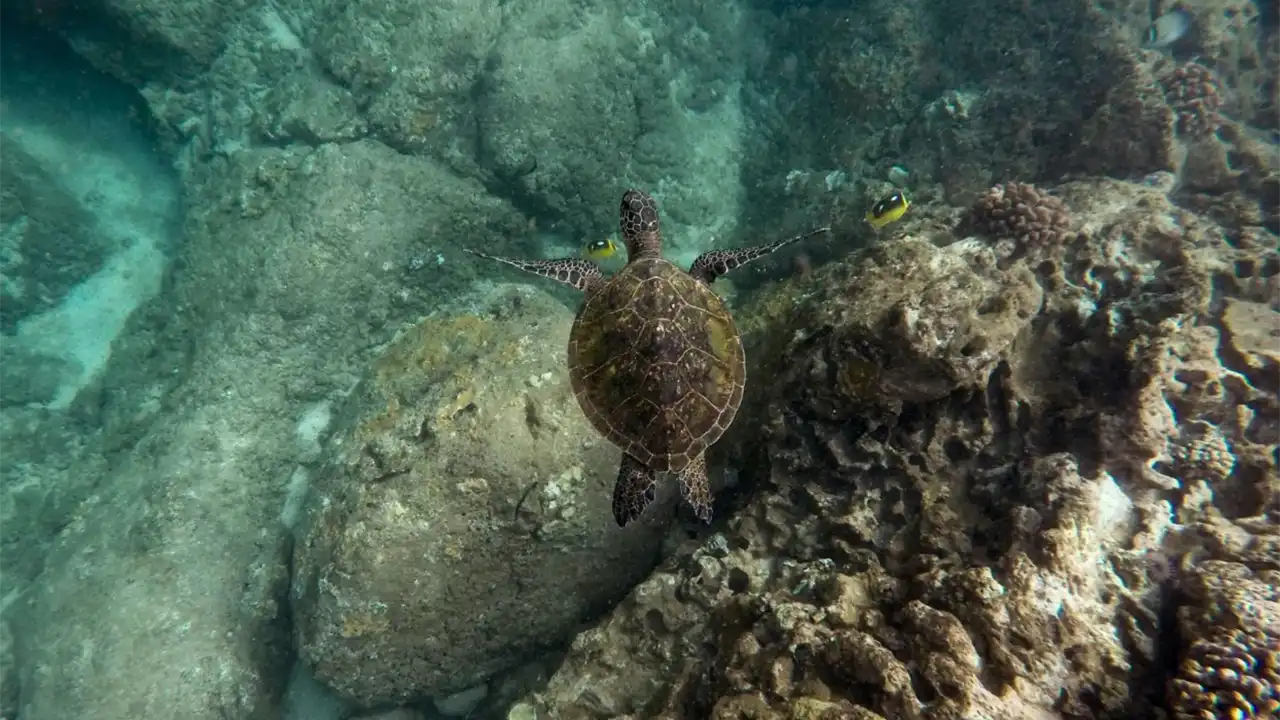
The Hawaiian green sea turtle, known locally as honu, holds deep cultural significance and is a federally protected species. You’ll often see honu resting on beaches or grazing near reefs. While they may seem relaxed, approaching them too closely can cause stress and disrupt their natural behavior.
Touching a turtle, blocking its path, or crowding it for photos is illegal. The best experience is watching quietly from afar as they go about their day.
4. Dolphins Are Wild Animals, Not Swimming Companions
Spinner dolphins are commonly seen resting in Hawaiian bays during the day. This rest period is critical to their survival. Swimming with, chasing, or surrounding dolphins interrupts their ability to recover and hunt.
Responsible tour operators observe dolphins from a respectful distance without interfering. Any experience that promises guaranteed dolphin swims should be a red flag.
5. Whales Deserve Space and Silence
Each winter, humpback whales migrate to Hawaiian waters to breed and give birth. Seeing one breach or slap its tail is unforgettable, but these massive animals require wide safety buffers.
Approaching whales too closely is dangerous and illegal. Boats must stay well clear, reduce speed, and avoid cutting across travel paths. Calm, quiet observation allows whales to surface naturally and keeps everyone safe.
6. Reef Fish Are Essential to Hawaii’s Ecosystem
Hawaii’s reef fish are not just colorful scenery. They play a vital role in maintaining coral health by grazing algae and balancing the ecosystem. Feeding fish alters natural behavior, disrupts reef balance, and can even increase disease.
Snorkelers should avoid standing on coral, stirring up sediment, or touching reef structures. Even small actions can cause long-term damage.
7. Sharks Are Present and Important
Sharks are a natural part of Hawaii’s marine environment. Encounters are rare, and sharks generally avoid people. Most incidents occur due to mistaken identity or poor water quality.
Respecting posted warnings, avoiding murky water, and staying out of the ocean at dawn or dusk reduces risk. Sharks are not villains. They are apex predators that keep marine ecosystems healthy.
8. Coral Is Alive and Extremely Fragile
Coral reefs may look like rocks, but they are living organisms that grow slowly over decades. A single kick, step, or touch can kill coral that took years to form.
Using reef-safe sunscreen, maintaining proper buoyancy while snorkeling, and avoiding contact with the reef are essential. Protecting coral protects the entire food chain that depends on it.
9. Local Knowledge Matters on the Water
Ocean conditions in Hawaii change quickly. Currents, swells, and visibility can shift within minutes. Local captains and guides understand these patterns through years of experience.
Choosing experienced operators who prioritize wildlife safety and education improves your experience and reduces environmental impact. This is especially important along rugged coastlines like Kauai’s Nā Pali Coast, where conditions can be unpredictable.
10. Responsible Interaction Leads to Better Experiences
The best wildlife encounters happen when animals are calm and undisturbed. When boats give space, snorkelers remain still, and observers stay patient, marine life behaves naturally.
Rushed approaches, crowding, and rule-breaking often lead to animals leaving the area altogether. Respect earns better sightings, longer encounters, and a healthier ocean for future visitors.
Common Marine Species You May Encounter in Hawaii
Visitors to Hawaiian waters commonly see a mix of endemic and migratory species, including:
- Hawaiian monk seal
- Hawaiian green sea turtle
- Spinner dolphin
- Humpback whale
- Reef fish such as butterflyfish, parrotfish, and surgeonfish
- Occasional sightings of reef sharks and manta rays
Each species plays a specific role in maintaining the balance of Hawaii’s marine environment.
Why Marine Etiquette Matters in Hawaii More Than Anywhere Else
Hawaii’s isolation means its ecosystems are more fragile than those in many other places. Many species evolved without predators or human interference. Once damaged, recovery is slow or sometimes impossible.
Marine etiquette is not about limiting enjoyment. It’s about preserving what makes Hawaii special. Visitors who understand this tend to have more meaningful, memorable experiences on the water.
FAQs About Marine Life Interactions in Hawaii
Can I touch marine animals if they approach me?
No. Even if an animal swims close, you should remain still and avoid reaching out. Touching is considered harassment under Hawaii law.
Is snorkeling with dolphins ever allowed?
No. Swimming with dolphins in Hawaii is illegal, especially when they are resting during the day. Observation from a distance is the only responsible option.
What should I do if I see a monk seal on the beach?
Give it space. Stay at least 50 feet away if possible, keep pets away, and never block its path to the ocean.
Are reef-safe sunscreens essential?
Yes. Chemicals in non-reef-safe sunscreen contribute to coral bleaching and reef damage. Using reef-safe products helps protect marine habitats.
Do tour companies have different rules from individuals?
Licensed tour operators follow the same laws and are trained to navigate safely around marine life. Their experience helps ensure interactions remain legal and respectful.
Respect Marine Life Interactions in Hawaii
Hawaii’s ocean is not a theme park. It’s a living system shaped by time, tradition, and natural balance. When visitors slow down, keep their distance, and follow local guidelines, they become part of that balance rather than a threat to it.
Responsible interactions with marine life protect wildlife, keep people safe, and ensure future generations can experience the same magic that draws travelers to Hawaii today. Professional boat captains, like the team at Na Pali Riders, make your time on the water respectful, safe, and memorable.