
Capture the Nā Pali Coast: Practical Photo Tips for Your Nā Pali Riders Tour
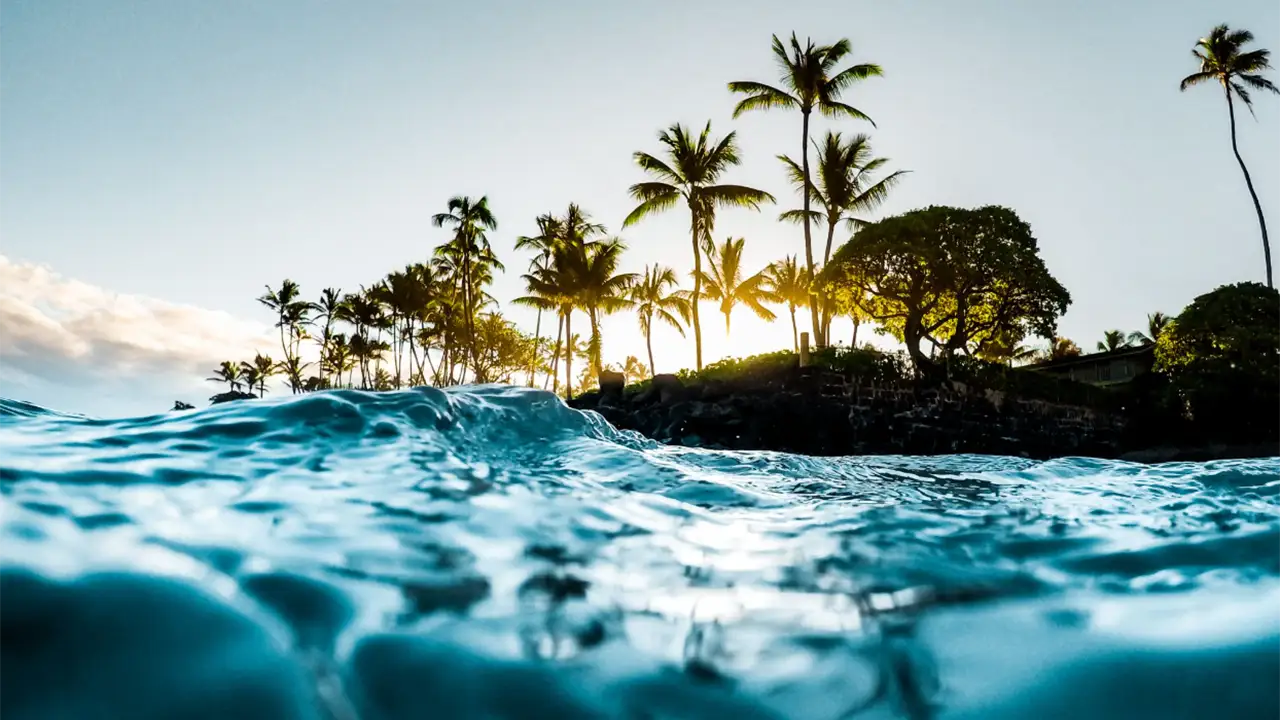
A Nā Pali Riders tour gives you a front-row view of one of Kauaʻi’s most dramatic coastlines. Towering cliffs, sea caves, waterfalls, clear blue water, hidden beaches, and marine life may all come into view during one trip.
You do not need professional equipment to come home with images you love. We have seen guests take memorable photos with phones, GoPros, mirrorless cameras, and DSLRs. Equipment helps, but preparation, timing, and a simple setup usually matter more.
Photographing from one of our rafts comes with unique challenges. The boat is constantly moving, the natural light changes quickly, and ocean spray can reach your lens without warning. Wildlife often appears for only a few seconds, and a stunning new view can open up the exact moment we round the next part of the coastline.
Start With the Right Mindset
Photographing the Nā Pali Coast from a raft is different from standing at a lookout. You are moving, we are moving, and the ocean is always part of the experience. Rather than trying to control every shot, focus on staying ready for the next view.
Keep your phone or camera secure, wipe the lens often, and listen when our crew points out landmarks, wildlife, sea caves, or changing conditions. Some of the best images happen without much planning. It might be the moment a cliff appears around a turn, sunlight moves across the water, or someone reacts to seeing the coastline up close.
Bring Simple, Secure Gear
Space is limited on a raft, so we recommend bringing a setup that is compact, secure, and easy to use. For many guests, a phone with a good camera is enough. A waterproof phone pouch, wrist strap, and microfiber cloth can make that setup much more practical.
A GoPro is also a strong choice because it handles spray well and can capture wide views and snorkeling footage. More experienced photographers may prefer a mirrorless or DSLR camera, but a single wide-angle or standard zoom lens is usually better than several lenses. The difference you’ll find quickly here is that the GoPro is waterproof and the DSLR is not. Underwater housings for a DSLR are extremely pricey, though they work extremely well to capture adventures like this. Most “GoPro-style” action cameras are waterproof, which makes action cameras some of the most popular cameras on our boats, aside from phones.
Protect Your Gear and Use the Right Settings
On our tours, we make sure you have a place to set your belongings, though ocean spray is inevitable as we travel to our destinations, depending on which Nā Pali Riders tour you booked. Our recommendation is to use a dry bag, as they are the best way to keep your belongings safe and secure on the water. They offer essential protection for the gear you use to capture photos and videos. Salt water can quickly damage phones, cameras, buttons, zippers, and charging ports. Even a light layer of ocean spray leaves spots across your lens, making a beautiful phone look hazy. To avoid this, keep your vulnerable gear inside a waterproof pouch or padded case and use a clean microfiber cloth instead of a shirt or towel to clear the lens.
For a traditional camera, a shutter speed around 1/1000 of a second is a good starting point. During faster sections, 1/1600 or 1/2000 can help freeze waves, wildlife, and people on board.
An aperture between f/5.6 and f/8 works well for cliffs and wider views. ISO 100 to 400 may be enough in bright sunlight, while auto ISO can help as the raft moves between sun, clouds, shaded cliffs, and sea caves. Continuous autofocus and short bursts can improve your chances of getting one sharp image.
Phone users can keep it simple: hold the phone with both hands, tap the subject to focus, and take a few quick frames.
Phone, GoPro, and Composition Tips
Turn on your phone’s camera grid before the tour so it is easier to keep the horizon level. If you booked a sea caves tour, put your phone camera in 0.5 zoom. This will widen the camera lens and give you an unforgettable slightly panoramic-looking image of the sea caves. When the sky is bright, tap on the cliffs or water and lower the exposure slightly to protect details in clouds and ridgelines.
As previously mentioned, use the wide lens for cliffs, sea cave entrances, and photos that include the raft or other guests in the foreground. The regular lens gives a more natural perspective, while heavy digital zoom is best avoided.
Take both horizontal and vertical photos to maximize your shots. Horizontal images work best for custom prints and wide landscape views. Conversely, vertical images are incredibly useful for your social media. When the raft slows, or a major landmark appears, quickly snap one of each layout. After that, put your phone down for a moment to fully experience the beauty around you
For a GoPro, use a wrist strap, secure mount, or floating handle. Keep the lens cover clean because water drops become especially noticeable in bright sunlight. If available, 4K at 60 frames per second is a strong setting for smooth action footage.
The size of the Nā Pali Coast can be difficult to communicate in a photograph. In photos, including the raft, another guest, a bird, or a sea cave entrance can help show scale. Try to build layers with water in the foreground, cliffs in the middle, and clouds or ridgelines in the background.
Work With Changing Light
The coast changes throughout the day. Early light offers a softer, warmer glow for your photos, while bright midday sun makes the ocean water appear much clearer and more colorful. Understanding these shifting conditions helps capture the landscape at its absolute best.
On bright days, watch for glare and reflections. When clouds move in, use the softer light to photograph cliff texture and deeper colors. Experienced photographers may also want to shoot in RAW format so they have more room to recover highlights and shadows later.
Sea caves can be especially challenging because the light changes quickly as we approach them. Phone users can tap the brighter part of the scene and lower the exposure slightly. Camera users may want to use negative exposure compensation, such as -1/3 or -2/3 of a stop.
When photographing a sea cave, include some surrounding cliff and water so the viewer can understand its scale. Our sea cave raft expedition may approach or enter sea caves when conditions allow, but access is always determined by the ocean and our crew’s safety assessment.
Wildlife and Underwater Photography
Capturing wildlife photos requires a ready-but-patient approach on the water. Depending on the season and the day, you may encounter spinner dolphins, honu ( Turtles), seabirds, or vibrant tropical fish. If you tour during the winter months, you might even spot majestic humpback whales. Staying alert with a clear lens ensures you are always ready for these sudden, spectacular encounters
Use continuous autofocus, burst mode, or video rather than heavy zoom. We ask guests to follow responsible marine wildlife viewing guidelines in Hawaiʻi. Never touch, feed, chase, crowd, or disturb an animal for a photo.
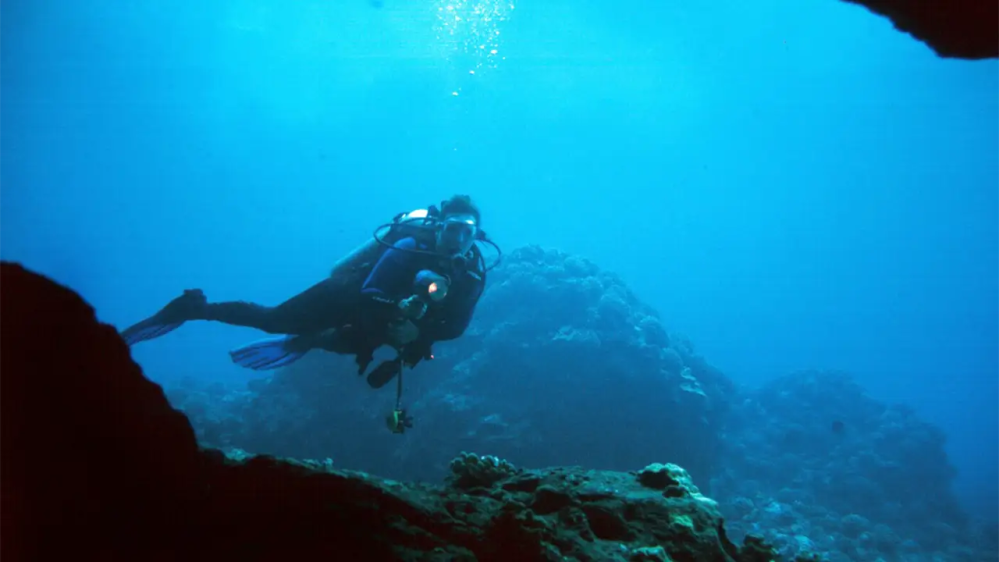
If your tour includes snorkeling, a GoPro or waterproof camera is usually the easiest option. DSLR cameras (when used underwater) are primarily used as dedicated scuba dive cameras. If you do have one of these camera setups, you will likely go home with some of the highest quality tour footage! We even use our phones and GoPros.
Our insider tips for capturing great moments on our tours are simple: move slowly, keep the camera steady, and position the sun behind you whenever possible so it lights your subject naturally. Video may work better than still photos when fish are moving quickly.
Protecting Hawaiʻi’s coral reefs is part of snorkeling responsibly. Be aware of your fins, avoid stirring up the bottom, and never stand on coral. Newer snorkelers may also benefit from reviewing snorkeling safety in Hawaiʻi before the tour.
Avoid Common Mistakes and Put Safety First
One of the most common mistakes is bringing too much equipment. Loose straps, unsecured phones, and open bags can also create problems, so make sure every item has a safe place before departure. Hold onto your hat and your gear!
Avoid changing lenses in salty air, relying heavily on digital zoom, or forgetting to check the lens for water spots. It is also easy to return home with dozens of wide cliff photos that all look similar. Include people, reactions, ocean details, wildlife, and the raft itself.
Most importantly, do not experience the whole tour through your camera. Take the photograph, secure the gear, and spend some time simply looking at the coast.
The Nā Pali Coast is a real ocean environment, not a controlled attraction. Conditions may change, and our crew’s instructions always take priority over taking a photo. Hold on when asked, remain seated when necessary, and keep equipment secured during faster or rougher sections.
Final Thoughts
A Nā Pali Riders tour gives you a chance to photograph Kauaʻi from one of its most memorable angles. The cliffs, sea caves, waterfalls, wildlife, open water, and movement of the raft create moments that are difficult to find anywhere else.
Even with professional equipment, the best approach is often to keep the setup simple enough that you remain present for the tour. Bring gear you trust, protect it from saltwater, listen to our crew, and stay flexible. Make sure you enjoy the trip and capture memories for later.
With the right approach, your photos can do more than show where you went. They can help you remember what it felt like to experience the Nā Pali Coast with us.
Ready to capture the coast from the water? Contact Nā Pali Riders to ask questions or plan your Kauaʻi raft adventure.
Book your tour online or contact our team with questions about choosing the right adventure.
Phone: (808) 742-6331
Website: www.napaliriders.com
Address: 9600 Kaumualiʻi Highway, Waimea, HI 96796