
Exploring Honopū Sea Cave on Nā Pali Coast in Nā Pali Coast, Hawaii
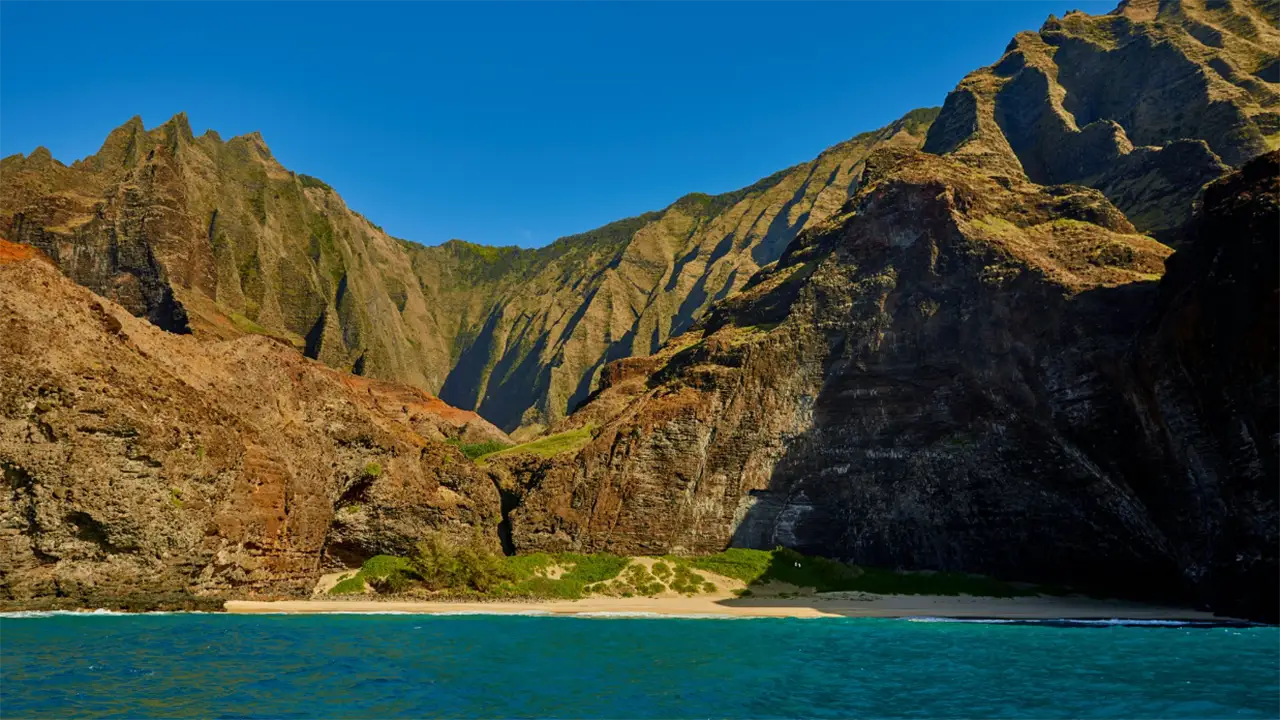
Honopū Sea Cave is a remote coastal formation along Kauai’s rugged Nā Pali Coast, a 17-mile stretch of cliffs, valleys, beaches, waterfalls, sea arches, and caves accessible primarily by water. For travelers wanting to see these formations up close, Nā Pali Riders explores the coast on a 30-foot Zodiac inflatable raft. The smaller vessel allows captains to approach and, when conditions are safe, enter sea caves larger vessels cannot access.
Nā Pali Riders has been operating along Kauai’s Nā Pali Coast since 1997. Honopū is located within one of the most isolated sections of the coastline. With no road leading to Honopū Beach and commercial boats unable to pull directly to sand, the area is largely inaccessible by land. For more visitors, the best way to experience Honopū is from the water.
Key Takeaways
- Honopū Sea Cave is located along Kauai’s remote Nā Pali Coast.
- The Honopū area is also known for Honopu Beach and its distinctive natural sea arch.
- Nā Pali Riders explores the full 17-mile Nā Pali Coast aboard a 30-foot Zodiac rigid-hull inflatable raft.
- The dedicated Nā Pali Coast Sea Caves Raft Expedition operates seasonally during the calmer summer period.
- Whether you see or enter any particular sea cave depends on daily ocean conditions and the captain’s safety assessment.
- This is a fast, physical raft trip, not a calm sightseeing cruise.
What Makes the Honopu Area Worth Seeing?
Honopū stands out even along a coastline defined by dramatic geology.
Honopū Beach consists of secluded sandy coves backed by steep Nā Pali cliffs. A large natural rock arch cuts through the formation between them, creating one of the coast’s most recognizable features. The surrounding coastline also contains sea caves shaped by the continual interaction between Pacific swells and Kauai’s volcanic rock.
Na Pali Riders highlights Honopū Sea Arch alongside other sea caves and arches of the Nā Pali Coast, including Open Ceiling Cave and Pirate’s Cave.
It is useful to distinguish Honopū Sea Cave from the nearby Honopū Arch and Honopū Beach. They are part of the same general coastal landscape, but they are separate geological features.
Why Is Honopū So Difficult to Access?
No road leads to Honopū Beach, and access to this portion of the Nā Pali Coast is extremely limited.
While strong swimmers have historically reached Honopū Beach from the water during favorable summer conditions, swimming is not a practical sightseeing option for most visitors. The approach can involve strong currents, surf, changing weather conditions, and significant open-water exposure, making conditions an important consideration for anyone attempting to reach the area by water.
For most visitors, seeing Honopū from a boat is the safest and most realistic way to experience the area.
The isolation also helps make Honopū visually distinctive. Instead of roads, buildings, docks, and beachfront development, the landscape remains dominated by cliffs, vegetation, sand, waterfalls, and open ocean.
Why Does Honopū Look Familiar to Some Visitors?
The dramatic formations around Honopū and the larger Nā Pali Coast have long attracted photographers and filmmakers. Towering cliffs, secluded beaches, narrow valleys, and natural arches give this section of Kauai a landscape that is difficult to reproduce elsewhere.
Even without its film connections, Honopū stands out because it combines several of the geological features that define the Nā Pali Coast in one relatively compact section of shoreline.
What Happens on a Nā Pali Sea Cave Tour?
Nā Pali Riders’ Nā Pali Coast Sea Caves Raft Expedition is a three-hour trip focused on exploring the coastline and its sea caves. The company uses a 30-foot Zodiac rigid-hull inflatable raft and attempts to explore as many caves as conditions safely allow.
The route also provides views of the broader Nā Pali landscape, including beaches, cliffs, valleys, waterfalls, arches, and marine wildlife.
One important qualifier: sea cave access is never guaranteed.
Swell height, wave direction, wind, surge, and other conditions can change how a cave entrance behaves from one trip to another. The captain determines whether entering individual caves is safe on the day of the tour.
For travelers specifically interested in Honopū Sea Cave, booking a sea cave expedition means you can explore these formations, but it doesn’t guarantee entry to any particular cave.
Travelers who want to learn more about the coastline can also read Nā Pali Riders’ guide to Kauai caves and how to visit them, or its overview of the Bright Eye Sea Cave.
Is the Ride Smooth or Rough?
Expect a rough ride. Nā Pali Riders describes its Zodiac excursions as active, fast-moving experiences similar to whitewater rafting on the ocean rather than a standard sightseeing cruise. The raft’s smaller size and low profile mean passengers feel the movement of the open Pacific more directly. That same design gives the vessel greater maneuverability around the Nā Pali Coast and allows it to explore areas that larger boats may not be able to reach.
The Sea Caves Raft Expedition isn’t suitable for everyone. Those with back or neck issues, medical conditions, recent surgeries, or physical limitations should review the tour requirements carefully. Motion sickness sufferers should consider the active ride.
Who Decides Whether the Raft Enters a Sea Cave?
The captain makes that decision in real time.
Sea cave navigation requires more than simply locating an entrance. Captains need to evaluate approaching wave sets, surge inside the formation, clearance, wind, changing swell conditions, and other vessel traffic.
That means the route can vary from day to day. On favorable days, several caves may be accessible. When conditions deteriorate, the captain may remain outside particular formations entirely.
Nā Pali Riders has been running coastal expeditions since 1997, giving its crews extensive familiarity with conditions along this section of Kauai.
Why Does Boat Size Matter for Exploring Nā Pali Sea Caves?
Not every Nā Pali Coast boat tour provides the same access.
Larger tour vessels can provide a more stable ride and excellent panoramic views, but their size limits how closely they can approach narrow rock formations. A rigid-hull inflatable raft is smaller, more agile, and can navigate much tighter areas when conditions permit.
For a traveler whose priority is getting close to Kauai sea caves, waterfalls, arches, and cliff formations, vessel type can matter as much as itinerary.
NāPali Riders’ 30-foot Zodiac is specifically used to provide close coastal access and sea cave exploration. Its expeditions travel along the 17-mile Nā Pali Coast wilderness, letting guests experience much of the region from the water.
What Should You Know Before Booking a Honopū Sea Cave Tour?
The biggest consideration is seasonality.
Summer generally provides the greatest opportunity for entering Nā Pali sea caves because ocean conditions along the coast tend to be more favorable than during the winter swell season. Even during summer, however, access depends on conditions on the day of the tour.
Before booking, travelers should understand several practical details:
- Tour length: Approximately three hours for the dedicated Sea Caves Raft Expedition
- Vessel: 30-foot Zodiac rigid-hull inflatable raft
- Departure area: Kikiaola Small Boat Harbor in Waimea
- Ride style: Fast, active, and potentially rough
- Sea cave access: Conditions permitting
- Snorkeling: Not included on the dedicated three-hour Sea Caves Raft Expedition
- What to bring: Comfortable clothing, a light jacket, towel, reef-safe sunscreen, sunglasses, and a secure hat
Schedules, passenger requirements, and pricing can change, so guests should review the current Sea Caves Raft Expedition details before traveling.
What About a Private Charter?
Groups that want a more personalized outing can also consider a Kauai private boat charter.
Private charters can be a good fit for families, larger groups, celebrations, or travelers who prefer having the boat reserved exclusively for their party. Routes can typically be adapted around the group’s interests within the limits of ocean conditions, safety requirements, and permitted operations.
Frequently Asked Questions About Honopū Sea Cave
How Do Visitors Reach Honopū Sea Cave?
Honopū Sea Cave and the surrounding Honopū coastline are best viewed from the water. No road leads to Honopū Beach, and access to this remote section of the Nā Pali Coast is extremely limited. A small-boat or raft tour provides one of the most practical ways to see Honopū and potentially explore nearby sea caves when conditions permit.
Can a Tour Guarantee Entry Into Honopū Sea Cave?
No. Entry into any specific Nā Pali Coast sea cave depends on wave conditions, swell, wind, surge, and other safety factors. The captain determines whether a cave can be safely entered during each trip.
When Is the Best Time for Nā Pali Coast Sea Caves?
Summer generally provides the best opportunity for sea cave exploration because conditions along the Nā Pali Coast tend to be calmer than during the winter swell season. Conditions can still change quickly, so cave access is never guaranteed.
What Should Guests Expect From the Zodiac Ride?
Expect a fast, active, and potentially rough ride. Zodiac rafts sit closer to the water and respond